Gardening on the windowsill – all year round
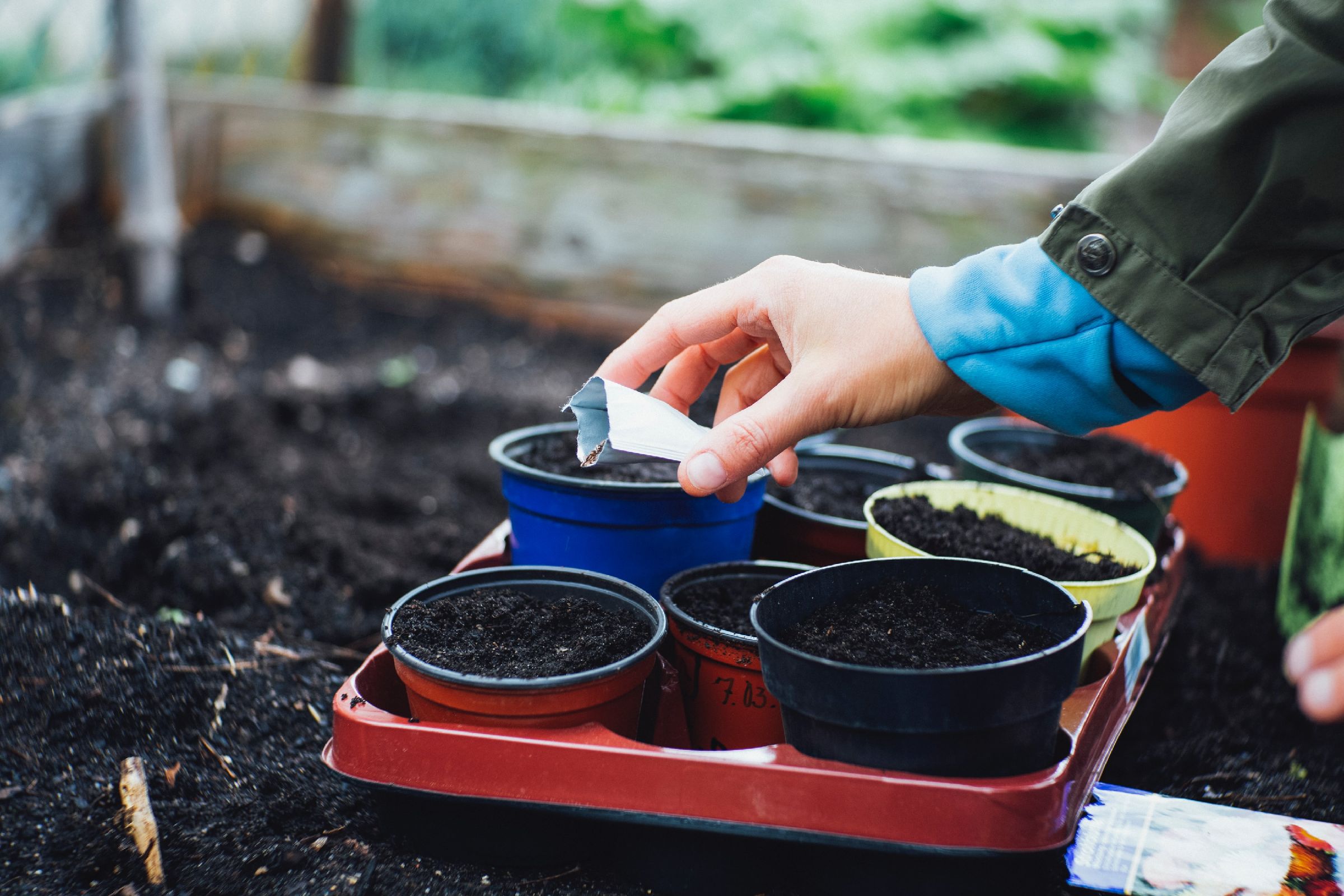
Even in a small city apartment, there is an opportunity to grow your own food. Some plants such as herbs, lettuce, tomatoes, or mushrooms also grow indoors, making gardening fun possible all year round - even without a garden or balcony.
Growing your own food is fun and healthy. However, ideal conditions are not always available everywhere. In an apartment without a balcony, gardening may seem difficult, and in winter, even with a garden or balcony, growing food is only possible to a limited extent.
In fact, there are also several ways to garden indoors. Not all plants are suitable, of course. However, some very tasty and healthy foods grow wonderfully indoors, for example herbs, lettuce, spinach or chard, tomatoes, peppers, radishes, spring onions - as well as sprouts and mushrooms.
Herbs
Herbs such as chives, oregano, basil, parsley, rosemary, or mint also grow very well on a windowsill. However, they need plenty of light and water. Adding some fertilizer every four weeks is also beneficial for most herbs.
Tip
Herbs bought in supermarkets are usually planted too densely. To help them grow well, it is therefore advisable to divide a pot of herbs into several pots or transfer them into a larger one. Overall, herbs from nurseries are generally better suited for long-term gardening.
Lettuce
Lettuce is particularly well suited for growing on a windowsill. However, not all varieties are suitable. Cut-and-come-again lettuce and arugula are recommended. The first harvest is usually possible after about four weeks. Arugula needs to be watered very regularly, otherwise it develops a sharp taste.
Spinach and chard
Spinach and chard also grow very well on a windowsill. Neither requires excessive sunlight - about four hours of sun per day is sufficient. Occasional fertilizing is beneficial. Always ensure they have enough water, as this makes spinach more tender. A larger pot also results in bigger leaves.
Tomatoes and peppers
Tomatoes and peppers can also be grown indoors. Since they can grow quite large, the windowsill may not be the ideal place. A spot on the floor that still receives plenty of light is better. If the apartment is too dark, special plant lamps that imitate daylight can be used. It is recommended to pre-germinate the seeds first and transplant them later.
Tip
Compact, robust varieties are well suited for indoor growing. Ideal examples include Red Robin, Pixie, Minibel, Tiny Tim, and Tumbling Tom.
Radishes
Radishes - similar to lettuce - ripen very quickly and can be harvested after about one month. They prefer slightly cooler conditions, need three to four hours of light daily, and must be watered very regularly. They do not require fertilizer, but the pot should be at least ten centimeters deep.
Spring onions
Spring onions also grow well on a windowsill. They can easily be regrown from leftovers of store-bought spring onions. In addition to a bright location and regular watering, a large, deep pot is especially important so the plants have enough space to grow.
Mushrooms
Growing mushrooms yourself is less common, but it works very well indoors and is not particularly complicated. Mushroom mycelium can be purchased from specialist retailers, and substrates such as coffee grounds, straw, or sawdust are suitable. Ready-made mushroom growing kits are also available. Mushrooms do not need much light but should be kept moist and rather cool. The first harvest can be expected after a few weeks, followed by several harvest cycles over a few months.
Tip
Not all mushrooms grow well indoors. Suitable varieties include white button mushrooms, brown mushrooms, king oyster mushrooms, lemon mushrooms, oyster mushrooms, shiitake mushrooms, and pioppini.
Sprouts
Growing sprouts yourself is certainly the easiest and fastest option. They are healthy and tasty and can be used in salads, on bread, or as a garnish for many dishes. Sprout mixes can be purchased ready-made and are best grown in a sprouting jar with a slanted holder. First, soak the sprouts for about eight hours, then remove any seeds that have not swollen and empty shells. After that, rinse them with water two to three times a day and let them drain. After a few days, the sprouts are ready to eat.