Soil Protection
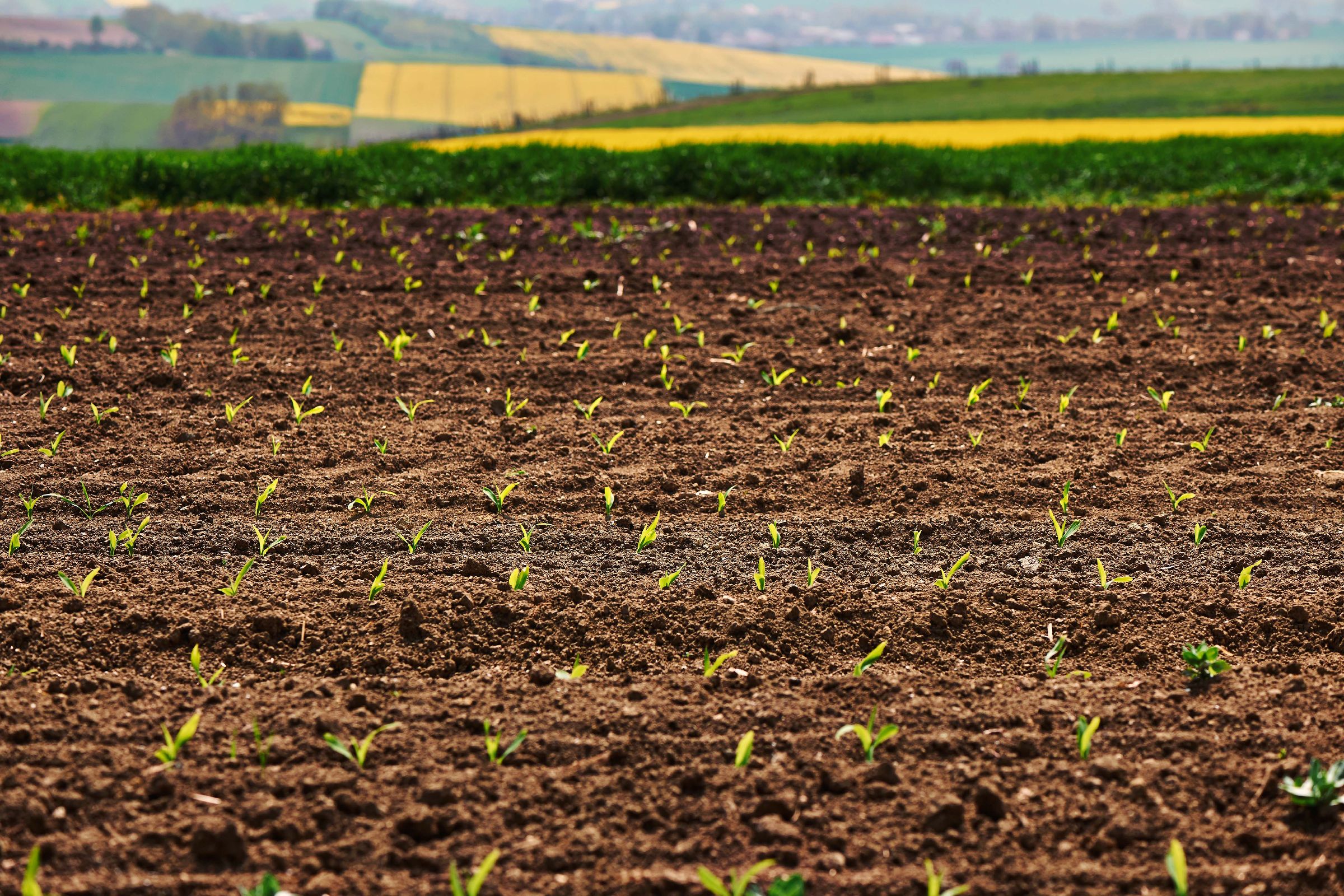
Soils are a fundamental basis of life for all people. They enable the production of food and biomass, store water, nutrients, and carbon, and provide habitats for a wide variety of organisms. In addition, they are important for economic activities, settlements, and recreation, as well as for the supply of food and clean drinking water.
The protection of our soils is a key building block for a sustainable future in Austria. As an indispensable foundation of life, soils secure our food supply, store water, sequester CO₂, and provide the basis for biodiversity and regional economic development. They are therefore not only a production factor, but also climate protectors and resource reservoirs at the same time. Soils are a fascinating habitat for countless organisms – from microorganisms to larger soil-dwelling creatures. This diversity is crucial for fertile and resilient ecosystems.
However, the importance of soil extends far beyond agriculture. It forms the foundation of our living environments, work, housing, and recreation. Clean drinking water, functioning ecosystems, and a secure food supply all depend directly on healthy soils.
The following page provides you with an overview of the different areas of responsibility regarding the topic of soil within the Federal Ministry of Agriculture and Forestry, Climate and Environmental Protection, Regions and Water Management.
Legal Framework for Soil Protection
Soil is a limited and non-renewable resource whose use is subject to a wide range of demands. A legal framework is therefore needed to organize and balance these demands. It regulates how soil may be used, protected, and developed, ensuring that economic interests, ecological functions, and societal needs are brought into harmony.
What is regulated by law?
Soil protection is not a single unified area of law. However, soil is covered by a wide range of public and civil law provisions. It is an interplay of different legal areas and includes regulations on who owns the soil, how it may be used, and what restrictions apply. It also defines which uses are permitted on specific areas (for example building land, green land, transport areas).
Soil law in Austria
At the national level, responsibilities for soil protection are divided, with the federal states being primarily responsible for soil protection, except for forest soils.
Federal level
Regulates fundamental areas such as civil law (for example property ownership) as well as parts of environmental law. Forestry law falls under the responsibility of the Federal Ministry of Agriculture, Forestry, Climate and Environmental Protection, Regions and Water Management (BMLUK).
Federal states (Länder)
Are responsible in particular for spatial planning, land-use zoning, and soil protection for all soils except forest soils. Each federal state has its own spatial planning laws that define how land may be used. Some federal states also have specific soil protection laws.
Municipalities
Implement spatial planning at the local level, for example through zoning plans and development plans.
Soil Law at EU Level
At European level, there are various legal provisions that influence soil protection, such as directives on the protection of water, air, and biodiversity. The Common Agricultural Policy (CAP) promotes sustainable agricultural practices and links subsidies to environmental requirements.
Since the end of 2025, there has also been, for the first time, direct EU legislation on soil: the EU Soil Monitoring and Soil Resilience Directive. The overarching goal of this directive is that all soils in the EU should be in a healthy condition by 2025.
Knowledge Transfer
Knowledge is a central foundation for sustainable development – but it only unfolds its impact when it is shared, prepared in an understandable way, and put into practice. This is exactly where knowledge transfer comes in: it connects research, administration, practice, and society, ensuring that findings do not remain isolated but enable concrete change.
In the field of soil, land use, and the environment, knowledge transfer is of particular importance. Scientific studies, research and monitoring programmes, as well as evaluations, provide valuable data and insights into the condition and development of our soils. However, for this knowledge to be effective, it must be communicated in a way that is tailored to different target groups and made accessible – for farmers, decision-makers, educational institutions, and the interested public.
Digital platforms such as DaFNE make an important contribution in this regard. They bundle research results, make projects visible, and create transparency about ongoing and completed initiatives. This not only facilitates access to knowledge but also promotes networking between different stakeholders.
A central role in knowledge transfer will in future also be taken on by the new Soil4You platform. It was developed by the Environment Agency Austria on behalf of the Federal Ministry for Climate Action and serves as a central online hub for soil protection in Austria. Soil4You brings together information on soil data and monitoring, spatial planning, awareness-raising, pollutants, as well as strategies and policy processes at national and international level. The platform is aimed at professionals from practice, administration, and science as well as interested citizens. It makes existing knowledge visible, supports networking between stakeholders, and provides up-to-date information on projects, initiatives, events, and developments in soil protection. In this way, Soil4You complements existing offerings and strengthens exchange for a sustainable approach to the resource soil.
Effective knowledge transfer is therefore a dynamic process: it includes collecting, preparing, communicating, and applying knowledge. Below you will find further information on various knowledge platforms.
- DaFNE
- AGES
- BFW
- BAW
- HBLFA Raumberg Gumpenstein
- HBLFA Francisco Josephinum Wieselburg
- EU Mission Soil
- Soil4You
(All Websites only in German.)
Agriculture and Rural Development
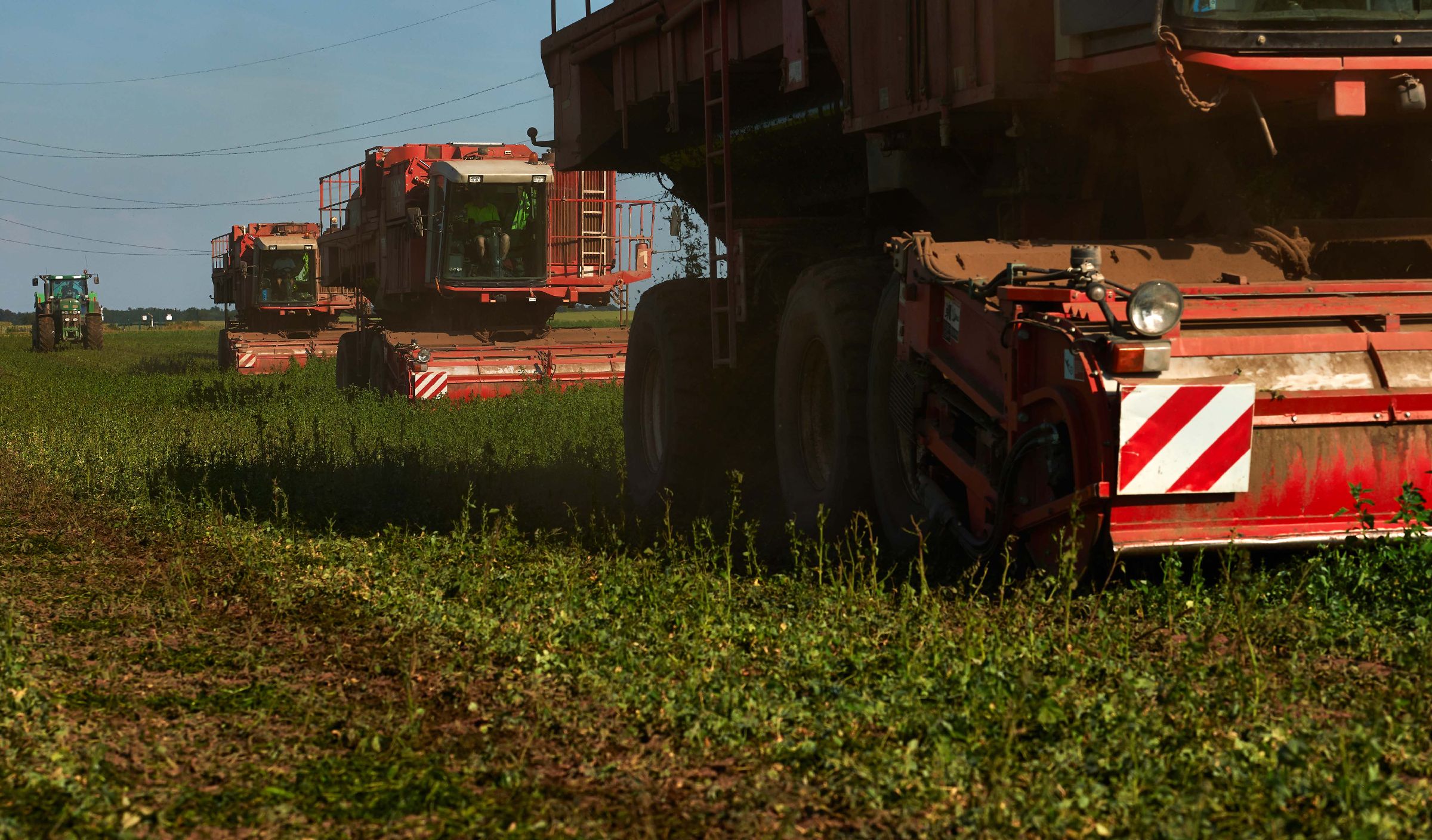
Soil is a central foundation for agriculture and rural development. It forms the basis for food production, stores water and nutrients, and fulfils important functions for climate and environmental protection. Healthy soils are essential for stable yields, biodiversity, and the long-term safeguarding of agricultural businesses and jobs in rural areas. At the same time, soils are under pressure – for example through sealing, erosion, or intensive use – which is why careful and sustainable management is particularly important.
A key element in this context is site-adapted farming, which focuses on soil protection, humus build-up, and the maintenance of soil fertility. Fertilisation also plays an essential role: it supplies plants with necessary nutrients in a targeted way and thus contributes to healthy crops and good yields. At the same time, it must be applied in a needs-based and environmentally friendly manner in order to avoid negative impacts on soil, water, and climate.
In the context of rural development, these aspects are closely interconnected. Programmes such as ÖPUL support farmers in implementing sustainable management practices that protect the soil while also securing economic prospects in rural areas.
Forestry
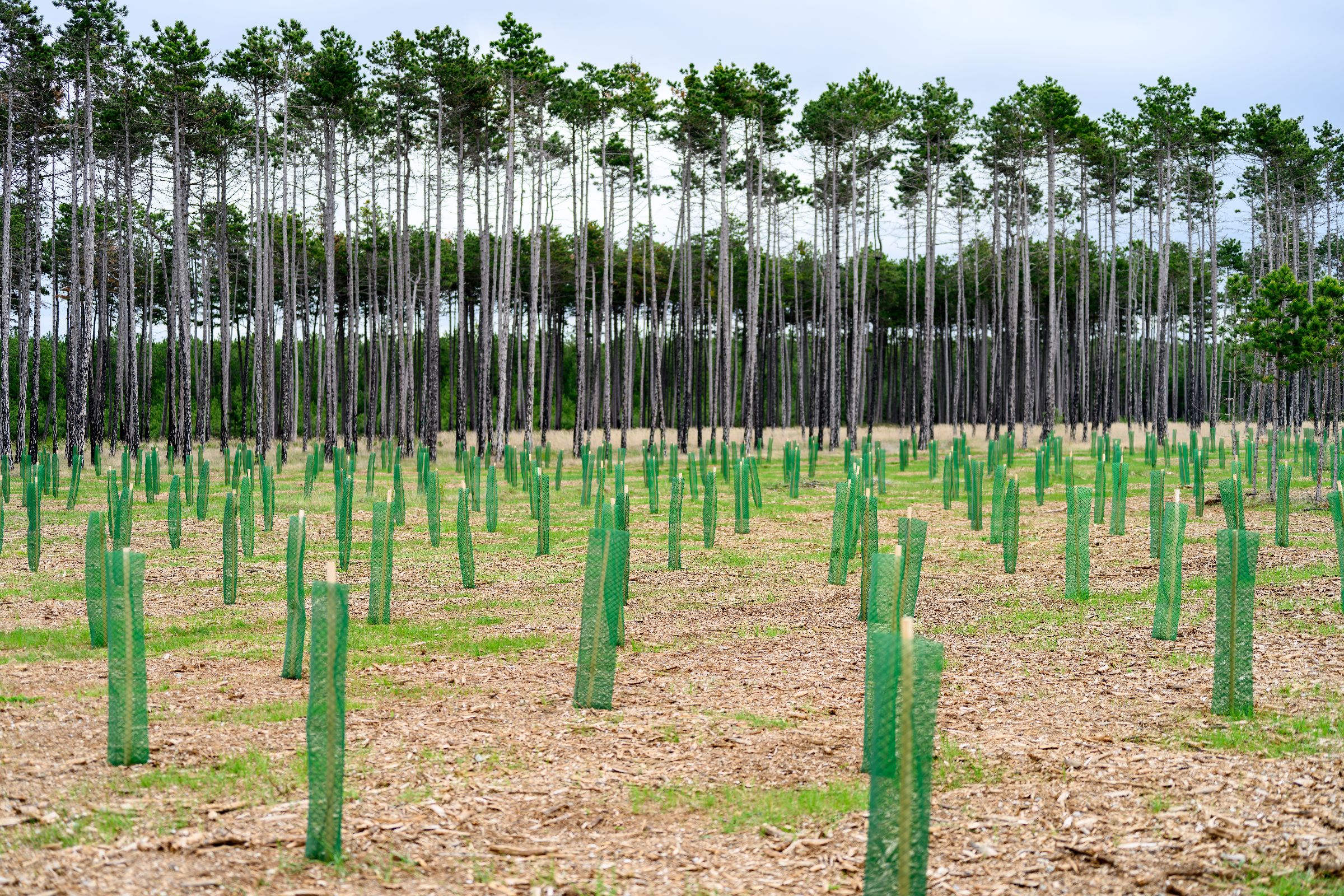
Soil is the central foundation for the functioning of forests and thus also for sustainable forestry. Without healthy forest soil, no stable forest can exist – it forms the basis for tree growth and is therefore an indispensable resource for timber production and the long-term preservation of forests. Accordingly, the Forest Act 1975 contains a number of soil-protection-related provisions that specifically serve the quantitative and qualitative protection of forest soils. These relate, for example, to windbreak structures, protection against forest degradation, protective forests at vulnerable sites, and protection against air pollutants harmful to forests.
Forest soils perform a wide range of essential functions: they store water and nutrients, supply trees with these vital resources, and at the same time provide a habitat for countless organisms – from microorganisms to fungi that work closely with tree roots. They also act as a filter for water and thus contribute to the protection of groundwater and drinking water.
In the context of climate change in particular, forest soils play a key role. Forests are among the most important carbon sinks, with a significant share of this carbon being stored in the soil. Together with the biomass of trees, forest ecosystems store enormous amounts of CO₂ and thus make an important contribution to climate protection. At the same time, soil influences the resilience of forests to climate change: its ability to store water and provide nutrients determines how well trees can withstand periods of drought or extreme events.
Overall, it becomes clear that forest soil is far more than just a “substrate” – it is a highly complex, living system and the crucial foundation for healthy, stable, and climate-resilient forests.
Regions & Spatial Development
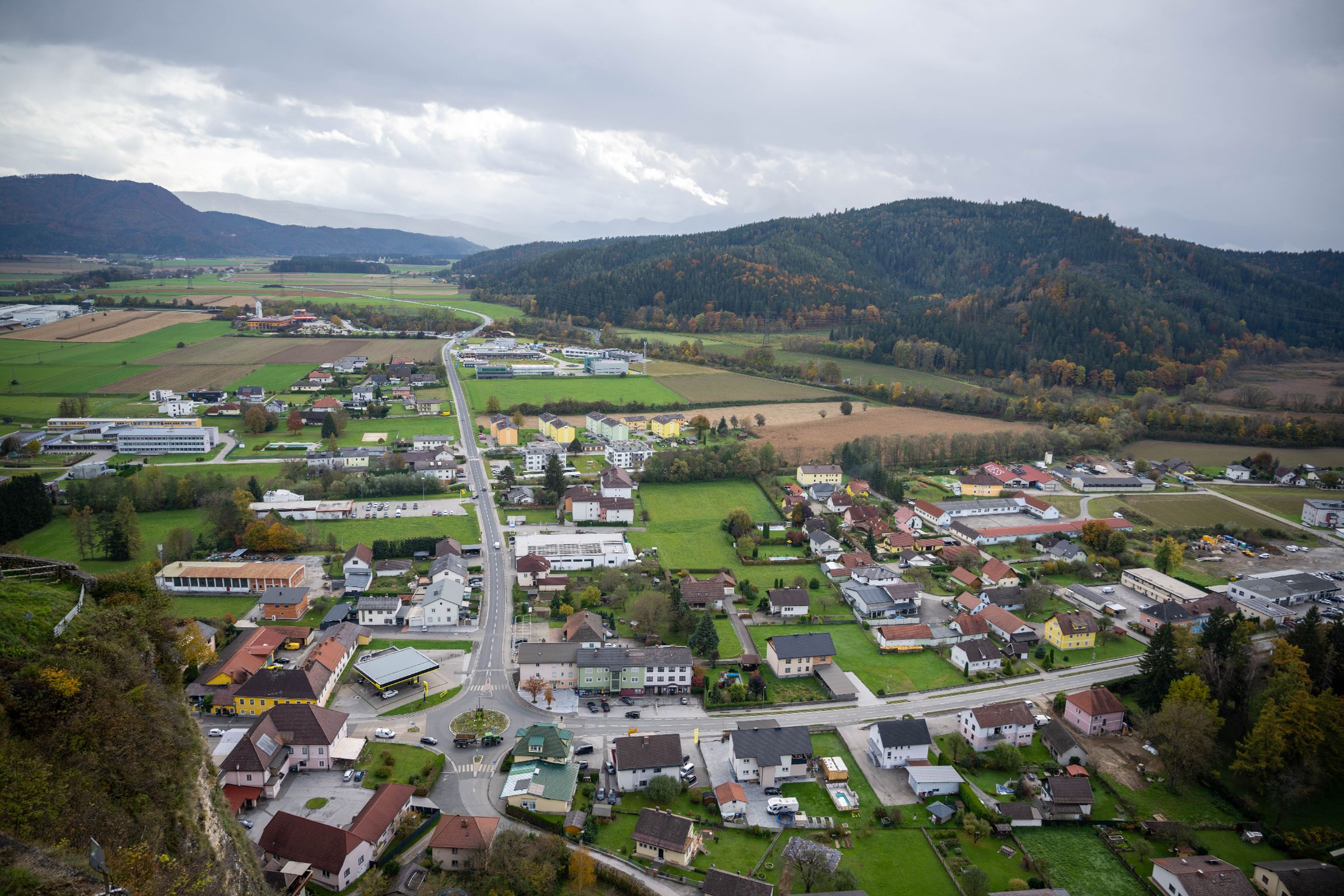
The spatial development of regions is closely linked to the responsible use of the resource soil. Spatial planning and soil policy must balance diverse land-use demands – such as housing, economy, transport, agriculture, and recreation – while at the same time ensuring the long-term functionality of soils. In light of increasing land consumption and growing land-use conflicts, a resource-efficient and conscious approach to soil is becoming increasingly important. The aim is compact settlement development that makes efficient use of existing infrastructure and preserves open spaces as well as high-quality agricultural land in the long term.
In Austria, the federal government, the federal states, and municipalities jointly form the framework for coordinated spatial planning policy. In this context, overarching strategies and guidelines play an important role in ensuring sustainable development. A key reference point is the Austrian Soil Strategy, developed within the framework of the Austrian Conference on Spatial Planning (ÖROK). Its goal is to significantly reduce land consumption and raise awareness of soil as a finite resource.
The Soil Strategy focuses on measures such as prioritising inner development over outward expansion, activating existing building land reserves, increasing densification, and revitalising already used areas. At the same time, it promotes better coordination between spatial planning, transport, and infrastructure in order to reduce pressure on undeveloped land.
The ÖROK monitoring system for land consumption and soil sealing was established as part of the Soil Strategy. It is a geo-data model that combines data from the federal government and the federal states and is continuously improved. In its current form, it is considered one of the leading approaches in Europe. Comprehensive assessments are carried out in a three-year cycle due to the update intervals of the underlying data. Robust figures on changes (2022–2025) have therefore been available for the first time since the end of 2025.
The soil protection module of the Regions Dialogue Platform is a knowledge and networking format that supports regions and regional stakeholders in developing and implementing effective soil protection measures. Its aim is to reduce land consumption and safeguard soils in the long term. The regional level of action plays a central role: it connects strategic objectives with local needs and thus creates the conditions for implementing soil protection in a coordinated, locally adapted, and sustainable way. To strengthen this process, the platform bundles knowledge, informational materials, and practical examples and promotes networking across administrative levels.

Water Management
Soils are a central component of the water cycle and perform a wide range of often underestimated functions in the water balance. They act as a natural filter: precipitation infiltrates the soil, is purified in the process, and is stored as groundwater. In this way, soils make a significant contribution to securing our drinking water supply. At the same time, they function as water reservoirs by absorbing precipitation and releasing it again with a delay. This helps buffer flood peaks and make water available during dry periods.
The soil’s ability to store and conduct water depends strongly on its structure, humus content, and land use. Compacted or sealed soils largely lose these functions, leading to increased surface runoff, reduced groundwater recharge, and a higher risk of flooding. Sustainable soil management is therefore also an active form of water protection.
Wetlands and peatlands play a particularly important role. They are among the most effective natural water storage systems, regulate the water balance of entire landscapes, and also provide valuable habitats for specialised animal and plant species. The Austrian Peatland Strategy 2030+ specifically addresses this by promoting the protection, restoration, and sustainable use of peatlands. This not only strengthens biodiversity but also secures the soil’s function as a water and carbon store.
Internationally recognised Ramsar sites in Austria also illustrate the close link between soil and water. These protected wetlands are of great importance for the water balance, flood protection, and water quality. They serve as examples of how intact soils and functioning ecosystems interact to preserve vital water resources in the long term.
Circular Economy
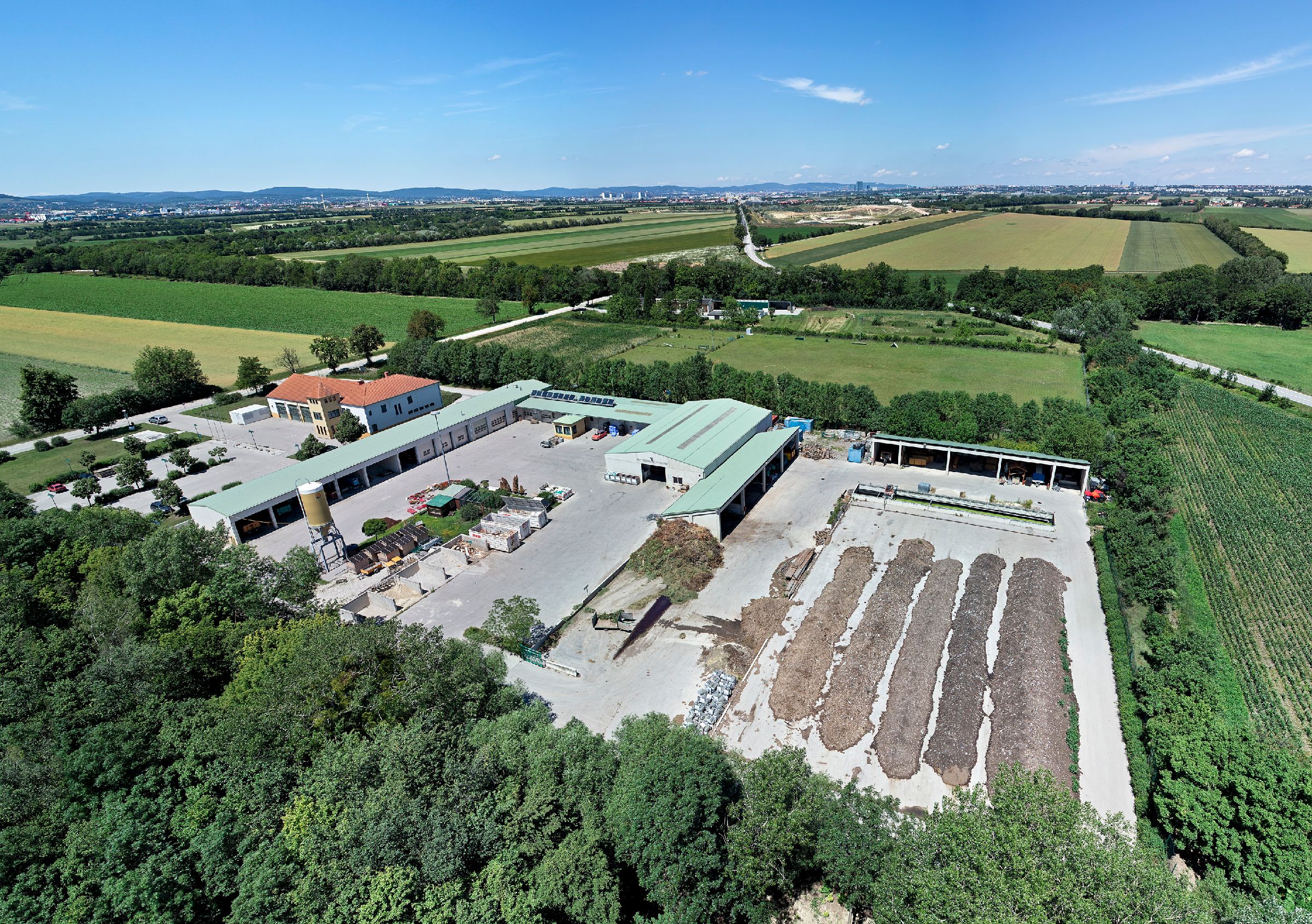
The circular economy aims to keep resources in use for as long as possible, to avoid waste, and to protect natural resources such as soils and water.
This connection becomes particularly clear in contaminated site remediation: by securing and restoring polluted sites, areas are made usable again while at the same time pollutants are removed from the soil. Contaminated site remediation therefore makes an important contribution to environmental and health protection as well as to the sustainable use of valuable land.
In Austria, significant progress has already been made: as of 1 January 2026, 360 contaminated sites are known, 200 of which have already been secured or fully decontaminated. Further remediation measures are ongoing or in planning. This is based on the systematic recording and assessment of contaminated sites, in particular former landfills as well as decommissioned industrial and commercial sites.
The recycling of brownfield sites also makes an important contribution to the circular economy by reactivating already used land and avoiding additional land consumption. Publicly accessible information on contaminated sites is provided by the contaminated sites portal, which also enables targeted searches by cadastral parcel numbers or addresses.
Challenges such as microplastics in soil, however, show how closely consumption, waste management, and soil protection are interconnected. A functioning circular system must therefore not only use resources efficiently but also prevent the introduction of pollutants into soils. This makes it clear: the circular economy and soil protection go hand in hand and are jointly essential for sustainable development.
Environment and Climate
Climate Change Adaptation
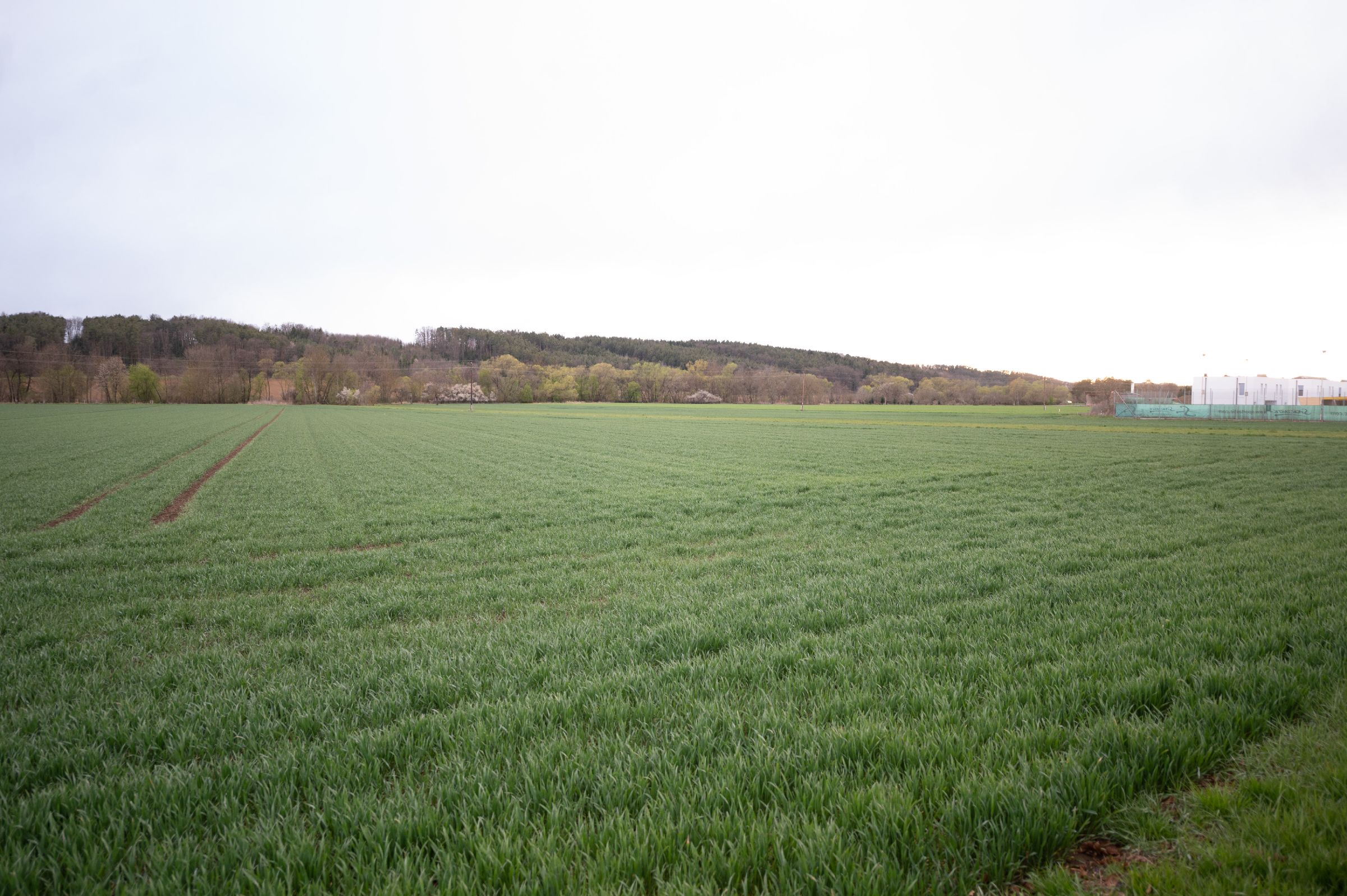
Soils are a central component of environmental and climate systems and play a crucial role in addressing climate change. They act as significant carbon stores by binding large amounts of organic carbon and thereby contribute to reducing greenhouse gases in the atmosphere. At the same time, they influence the water balance, microclimate, and stability of ecosystems. Healthy soil is therefore not only the basis for biodiversity but also an important factor in climate protection.
In the context of climate change adaptation, soils are becoming increasingly important. Through their ability to store water and release it slowly, they help mitigate the impacts of extreme weather events such as heavy rainfall or prolonged droughts. Humus-rich, covered, and well-structured soils can absorb precipitation more effectively, prevent erosion, and supply plants with water even during heat periods. Conversely, degraded, compacted, or sealed soils lead to increased surface runoff, flooding, and reduced resilience to climatic changes.
Sustainable soil management is therefore a key building block for climate change adaptation. Measures such as promoting humus-building farming practices, protecting permanent grassland, restoring peatlands and wetlands, or reducing soil sealing all make an important contribution to stabilising ecosystems and securing their functions.
In addition, soil protection and climate protection are closely interconnected: while intact soils help reduce emissions and buffer climate impacts, climate change itself increasingly affects soil quality – for example through changing precipitation patterns, rising temperatures, or more frequent extreme events. It is therefore all the more important to protect soils as a valuable resource and preserve their functions in the long term. In this way, they make an indispensable contribution to the environment, climate, and a sustainable future.
Alongside climate protection, urgent climate adaptation measures are therefore necessary.
BMLUK-Hemerka0.jpg/jcr:content/Gruppenfoto-03%20-%20(c)BMLUK-Hemerka.jpg)
Erdreich Prize
The Erdreich Prize honours special commitment to sustainable soil protection, efficient land use, and innovative practices in dealing with soil as a vital resource, awarded by the Federal Ministry of Agriculture and Forestry, Climate and Environmental Protection, Regions and Water Management.
In order to recognise those initiatives that protect and innovatively use this vital resource, the Federal Ministry of Agriculture and Forestry, Climate and Environmental Protection, Regions and Water Management (BMLUK) again awarded the Erdreich Prize 2026 on 27 January. A professional jury of five experts – Johannes Pressl (Association of Municipalities), Hanna Simons (WWF), Martin Gerzabek (BOKU), Elisabeth Leitner (TU Wien / Verein Landluft), and Arthur Kanonier (TU Wien) – selected from numerous submissions those projects that stand out for their effectiveness and demonstrate how sustainable soil management can be achieved in practice.