Background on biological diversity
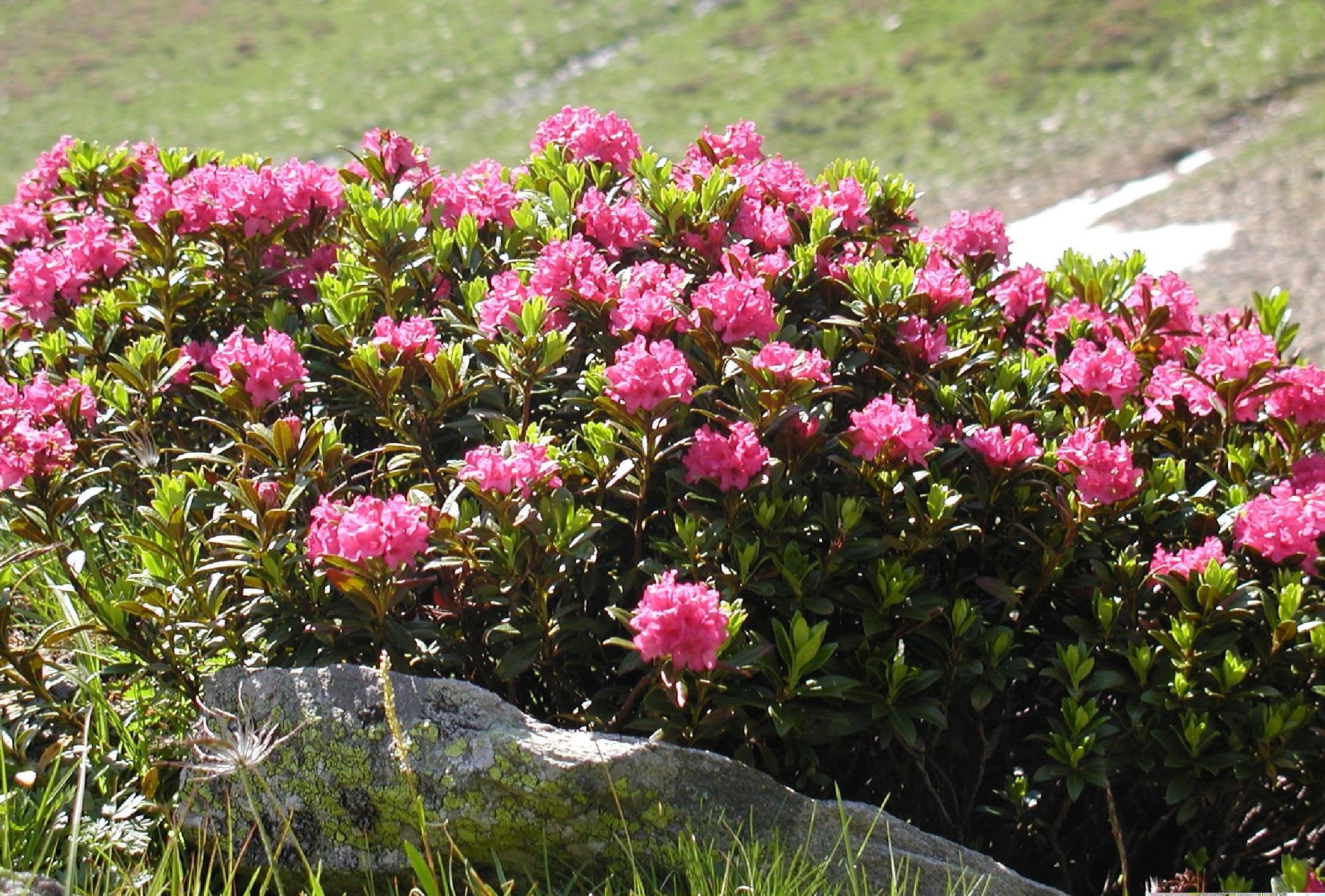
Biological diversity encompasses the diversity of species, ecosystems, as well as genetic diversity within species.
Biological diversity (biodiversity) is not only about the diversity of species of wild plants, animals, and microorganisms, but also about the diversity of habitats and thus the ecosystems in which species live, as well as genetic diversity within species. This also includes breeds or cultivated varieties.
Scientific estimates of the number of species living on Earth range from 10 to 100 million species. So far, only around 1.7 million species have been studied. Due to human intervention, diversity has been endangered and significantly reduced in recent years.
Why diversity is so important
In addition to its “value” as a “natural heritage,” biological diversity has essential importance as the basis of human life. Biological diversity plays a central role, among other things, in ecosystem processes and in the adaptability of ecosystems to changing conditions (keyword: climate change). The more species and genetic diversity within species there are in a habitat, the more likely plants and animals are to adapt to changes in climate and the environment. Nature protects against flooding or soil erosion. Furthermore, humans depend on many products of biological diversity, whether food, building materials, or natural substances in plants that can be used, for example, as medicines.
Economic value (TEEB)
Nature provides its goods and services (ecosystem services) free of charge. In reality, however, these have a high economic value that has so far been given little consideration in overall economic calculations. As part of a large international study conducted under the auspices of the United Nations Environment Programme (UNEP) (The Economics of Ecosystems and Biodiversity, TEEB), the economic services of nature were examined and also quantified.
Examples:
-
The approximately 100,000 protected areas worldwide provide people with services worth between 4.4 and 5.2 billion US dollars per year. Investments in protected areas pay off: 45 billion US dollars invested in protected areas generate nature-based services worth 5 trillion US dollars per year.
-
The value of coral reefs, whose ecosystem services range from coastal protection to aquaculture facilities, is estimated at 170 billion US dollars per year.
-
The value of pollination services provided by bees amounts to several hundred million US dollars per year.
-
For example, 12,000 hectares of planted mangroves and their maintenance in Vietnam cost 1.1 million US dollars. This saves maintenance costs for dikes amounting to 7.3 million US dollars.
Protecting biological diversity also means using our resources sustainably.
Biodiversity in Austria
Due to its geographical and natural conditions, Austria has an extremely wide range of habitats and species and is one of the most species-rich countries in Europe. Approximately 67,000 species in total occur in Austria, including around 45,000 animal species (among them approximately 93 mammal species and around 37,150 insect species) as well as 3,000 fern and flowering plant species. According to estimates, the European continent is home to around 200,000 animal and plant species in total.
According to Red Lists, 27 percent of mammals, 27 percent of birds, and 60 percent of reptiles and amphibians in Austria are endangered. Among ferns and flowering plants, around 33 percent are endangered. The Red List of endangered biotopes shows the threat to habitats. Fifty-seven percent of the total 93 forest biotope types are classified as endangered. Among grassland biotope types, 90 percent of the 61 types occurring in Austria are assigned to a threat category.
The situation in Austria is comparable to that in all other countries of the European Union (EU). The EU has lost more than half of its wetlands; more than 40 percent of mammals, 25 percent of birds, 45 percent of butterflies, 30 percent of amphibians, and more than half of freshwater fish are threatened.
Species and habitat diversity in Austria is under strong pressure. Causes of biodiversity loss include land use (soil sealing) as a result of increasing population density, industrialization, and infrastructure facilities (for example roads), fragmentation and destruction of habitats, climate change, and also light emissions.
National Biodiversity Strategy
As a contracting party to the Convention on Biological Diversity, Austria is obliged to define a national strategy for implementing the Convention. In 1998, the first strategy was adopted by the National Biodiversity Commission and submitted to the Council of Ministers for acknowledgment. Central principles are the integration of biodiversity conservation into all relevant policy areas and ensuring a coordinated approach to nature and species conservation. In 2005, the strategy was updated and further developed. The strategy contains goals and measures for all relevant policy areas of biodiversity conservation: nature and species conservation, agriculture and forestry, industry, transport, tourism, development cooperation, etc.
EU Biodiversity Strategy
The goal of the new EU Biodiversity Strategy presented by the European Commission on May 3, 2011, is to improve the state of biodiversity in Europe within the next ten years and to protect diversity. Based on the objective and vision adopted by the Council of the European Union in March 2011—to curb biodiversity loss in the EU by 2020 and to protect, enhance, and restore ecosystem services by 2050—six main targets for biodiversity conservation were defined.
These six targets
-
are aimed at combating the main causes of biodiversity loss,
-
are intended to help reduce threats to biodiversity, and
-
promote the integration of biodiversity targets into important policy areas.
The six main targets relate to
-
the full implementation of existing EU nature conservation legislation and the Natura 2000 network of protected areas,
-
the improvement and restoration of ecosystems and ecosystem services, particularly through increased use of green infrastructure,
-
ensuring the sustainability of agricultural and forestry activities,
-
the conservation and protection of fish stocks in the EU,
-
combating invasive species, and
-
strengthening the EU’s contribution to combating global biodiversity loss.
Aichi Targets – global biodiversity targets
In October 2010, the contracting states of the Convention on Biological Diversity agreed on a vision for the state of global biodiversity in 2050 and a mission for 2020 with a total of 20 concrete global targets for the conservation of biodiversity. The states committed themselves to defining their own targets and taking the necessary measures at national, regional, and international levels to achieve them.