Natura 2000

The EU has set itself the objective of halting the loss of species and habitats that has occurred over recent decades. Europe’s natural heritage includes an immense diversity of climate zones, habitats, and landscapes of outstanding natural beauty. The populations of many species are declining dramatically due to the ongoing consumption of land and the destruction of habitats.
Today, the survival of half of all mammal species and one third of reptile, bird, and fish species is at risk. In order to safeguard Europe’s natural diversity, the European Union (EU) has made nature conservation a common concern and, to this end, has adopted two directives.
Directive 2009/147/EC of the European Parliament and of the Council of 30 November 2009 on the conservation of wild birds (Birds Directive)
Council Directive 92/43/EEC of 21 May 1992 on the conservation of natural habitats and of wild fauna and flora (Fauna–Flora–Habitat Directive (FFH Directive)).
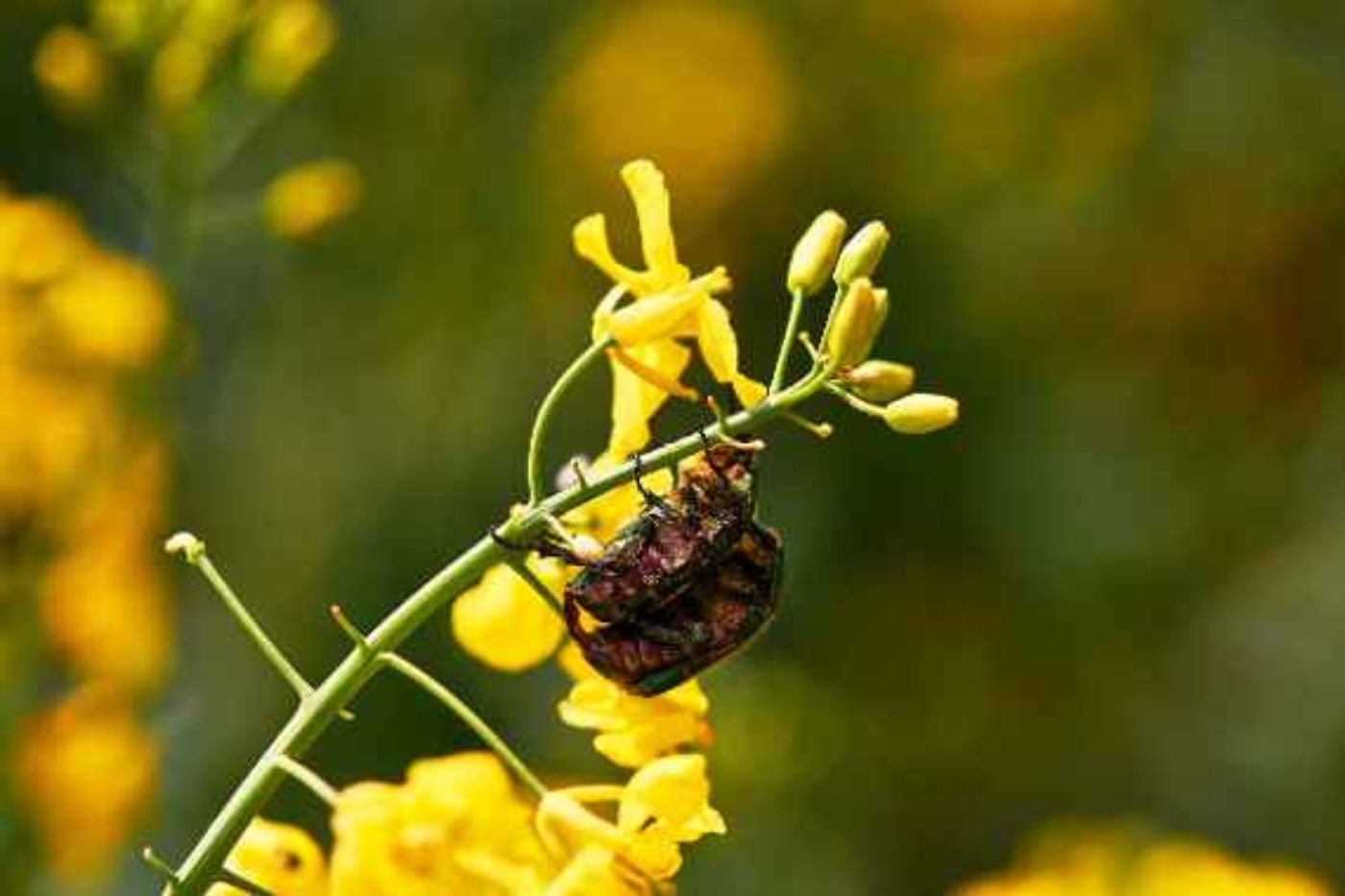
On the basis of these two directives, a number of legal provisions for the protection of species and habitats must be implemented in all Member States. An important model for these protection provisions is the Bern Convention of 1979. The two directives are also the most important instruments for implementing the Convention on Biological Diversity (CBD) at the European level. Both directives provide for the establishment of protected areas in which endangered species and habitats are to be preserved for the future. This network of protected areas is known as “Natura 2000”. National protection categories such as nature reserves, national parks, nature parks, landscape protection areas, and biosphere reserves remain unaffected by the two directives. Most national parks and nature reserves are also part of the Natura 2000 network without their specific protection status being altered.
Birds Directive
The two EU nature conservation directives form the legal basis: Directive 2009/147/EC of the European Parliament and of the Council of 30 November 2009 on the conservation of wild birds (Birds Directive).
The objective of the directive is the protection of all wild bird species naturally occurring in the territory of the Community. This objective is achieved through the designation of special protection areas for birds as well as through specific provisions concerning the use of species. Protected areas designated under the Birds Directive are part of the Natura 2000 network. In these areas, which are characterized by the presence of species listed in Annex I or serve as resting or wintering sites for migratory birds, specific measures must be taken to protect and conserve the respective bird populations.
Bird hunting in the EU is regulated by the provisions of the Birds Directive. The Member States must design their legal hunting regulations in such a way as to ensure that only bird species listed in Annex II of the directive may be hunted. However, these species may not be hunted during the individual phases of their reproduction and, in the case of migratory birds, also not during their return to the breeding grounds. Article 9 of the directive sets out the conditions for exemptions from these prohibitions, which may be authorized by the authorities of the Member States in special cases. Hunting of birds is not fundamentally excluded in the “Special Protection Areas”.
Fauna–Flora–Habitat Directive
Council Directive 92/43/EEC of 21 May 1992 on the conservation of natural habitats and of wild fauna and flora (Fauna–Flora–Habitat Directive (FFH Directive)).
The directive aims to protect, conserve, and, where necessary, restore Europe’s natural habitats in a sufficient and representative selection and spatial extent. Particularly endangered or rare animal and plant species are also to be conserved through adequate site protection. Together with the bird protection areas, these protected areas form the Natura 2000 network of protected sites.
The 27 EU Member States are divided into 9 biogeographical regions. Austria has a share in the Alpine and the Continental biogeographical regions. In each of these 9 biogeographical regions, the habitats and species listed in the FFH Directive must be adequately conserved and protected through the designation of protected areas.
Beyond the network of protected sites, the FFH Directive also includes a strict regime for species protection outside Natura 2000 areas (Articles 12 and 13) and for monitoring the conservation status of habitats and species (Article 11) throughout the territory of the Member States. In Natura 2000 areas, all plans and projects not directly related to the management of the sites are subject to an appropriate assessment. The legal basis for this assessment is laid down in Article 6 of the FFH Directive. In Austria, these provisions are implemented in the respective nature conservation laws of the federal provinces.
- Natura 2000 (European Commission)
- Natura 2000 sites in Austria + maps (Province of Tyrol) (in German only)
- FFH Directive (→ EUR-Lex)
- Birds Directive (→ EUR-Lex
Infringement procedure against Austria discontinued
The European Commission has discontinued the infringement procedure against Austria that had been ongoing since 2013. The reason for the procedure was insufficient designation of protected areas.
In May 2013, the European Commission initiated an infringement procedure against Austria due to insufficient designation of Natura 2000 sites. Further site designations by Austria were requested, which fall under the responsibility of the federal provinces. The previous federal government, in good cooperation with the provinces, strongly promoted the completion of the additional nominations by the competent provincial authorities. In the past year, the European Commission held discussions on site-related issues with all nine federal provinces. The federal government actively advocated Austria’s position at the EU level.
These efforts have now borne fruit: the College of the European Commission has decided to discontinue the infringement procedure against Austria for violations of the Fauna–Flora–Habitat Directive (Natura 2000) due to the incompleteness of the list.