Background on biological diversity
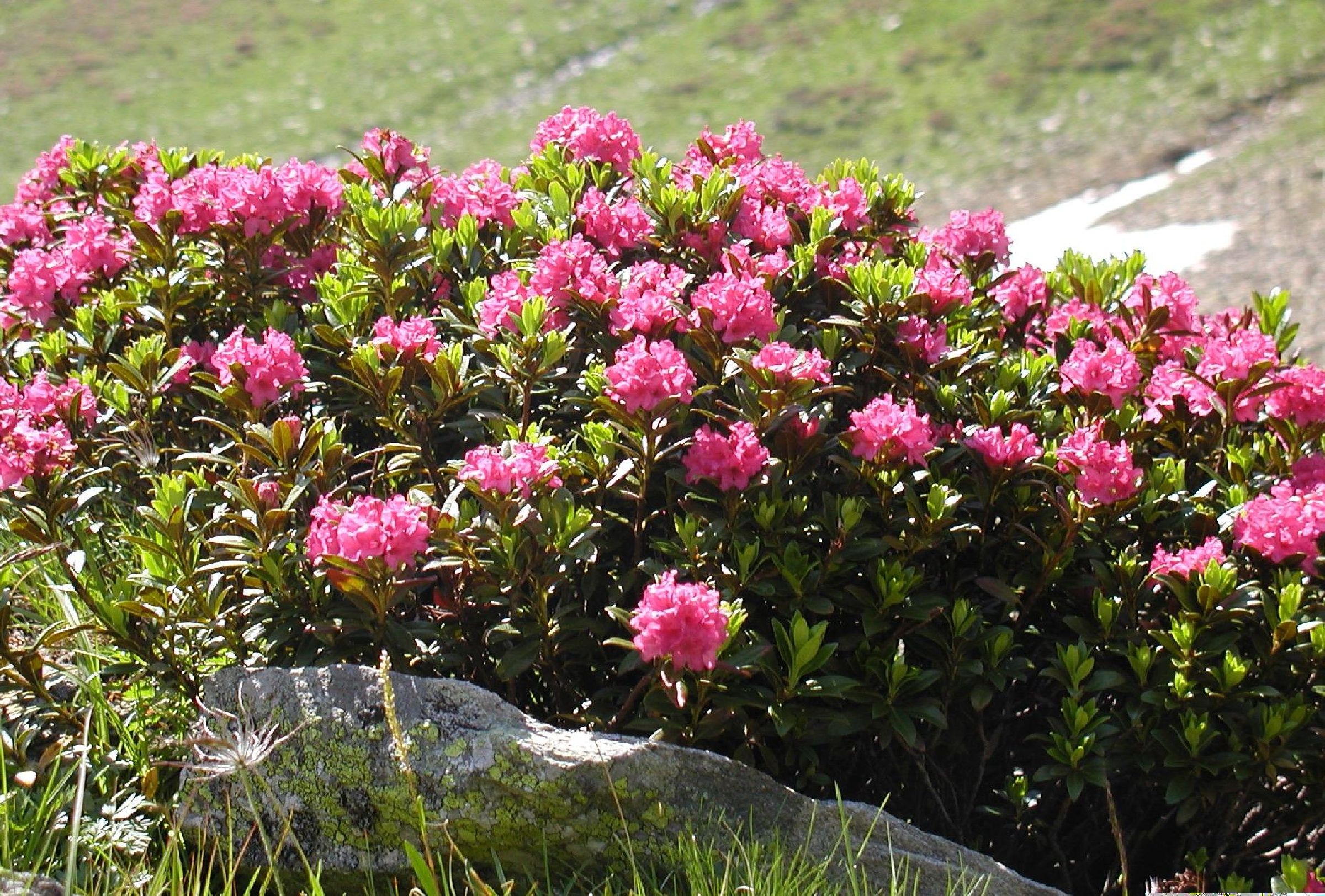
Biological diversity encompasses the diversity of species, ecosystems, as well as genetic diversity within species.
Biological diversity (biodiversity) is not only about the diversity of species of wild plants, animals, and microorganisms, but also about the diversity of habitats and thus the ecosystems in which species live, as well as genetic diversity within species. This also includes breeds or cultivated varieties.
Scientific estimates of the number of species living on Earth range from 10 to 100 million species. So far, only around 1.7 million species have been studied. Due to human intervention, diversity has been endangered and significantly reduced in recent years.
Why diversity is so important
In addition to its “value” as a “natural heritage,” biological diversity has essential importance as the basis of human life. Biological diversity plays a central role, among other things, in ecosystem processes and in the adaptability of ecosystems to changing conditions (keyword: climate change). The more species and genetic diversity within species there are in a habitat, the more likely plants and animals are to adapt to changes in climate and the environment. Nature protects against flooding or soil erosion. Furthermore, humans depend on many products of biological diversity, whether food, building materials, or natural substances in plants that can be used, for example, as medicines.
Economic value (TEEB)
Nature provides its goods and services (ecosystem services) free of charge. In reality, however, these have a high economic value that has so far been given little consideration in overall economic calculations. As part of a large international study conducted under the auspices of the United Nations Environment Programme (UNEP) (The Economics of Ecosystems and Biodiversity, TEEB), the economic services of nature were examined and also quantified.
Examples:
-
The approximately 100,000 protected areas worldwide provide people with services worth between 4.4 and 5.2 billion US dollars per year. Investments in protected areas pay off: 45 billion US dollars invested in protected areas generate nature-based services worth 5 trillion US dollars per year.
-
The value of coral reefs, whose ecosystem services range from coastal protection to aquaculture facilities, is estimated at 170 billion US dollars per year.
-
The value of pollination services provided by bees amounts to several hundred million US dollars per year.
-
For example, 12,000 hectares of planted mangroves and their maintenance in Vietnam cost 1.1 million US dollars. This saves maintenance costs for dikes amounting to 7.3 million US dollars.
Protecting biological diversity also means using our resources sustainably.